Showing posts with label Chemical Reactions. Show all posts

Tuesday, December 1, 2015

Metals Lab


Image result for calcium in water

Today we did a lab that involved taking six different metals and pouring chemicals on them to see of they react with each other, and it was pretty cool. Some of the metals started to bubble and smoke when they came into contact with each of the chemicals, and others dissolved into a puddle of goop. On of the metals that we used was calcium which turns out to be pretty reactive, and lead was not at all. Sadly I forgot to take a picture of the reactions at work but here what the one of calcium and water together looked like:

Monday, November 30, 2015

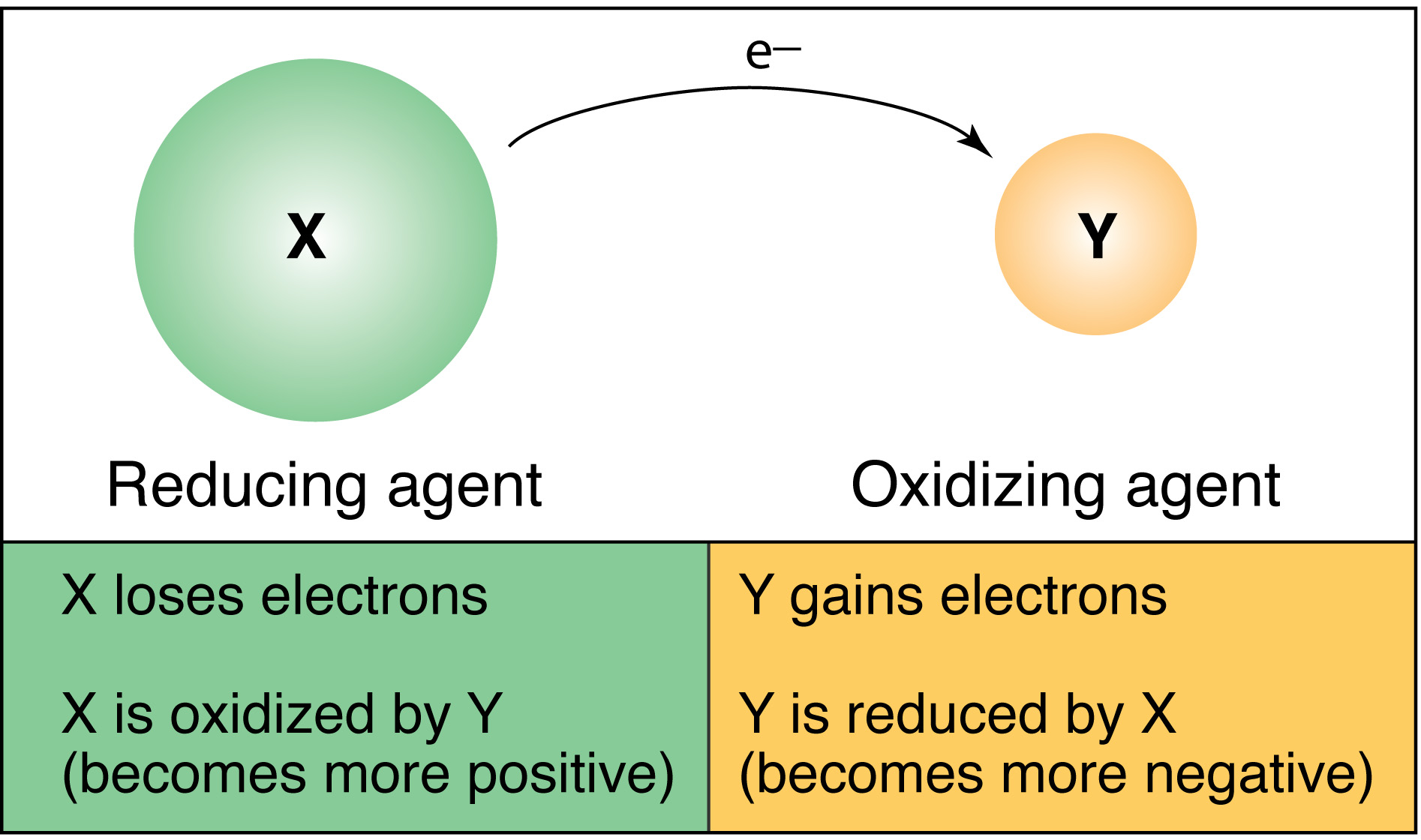
Redox: Transfer of Electons

In redox reactions, electrons are transferred from the metal to the non-metal. My class and I leaned that redox reactions are either single-replacement, synthesis, or decomposition and if a reactions occurs depends on the oxidation number and the oxidation series of the elements and compounds involved. More info on the oxidation rules can be found on chemwiki.

Oxidation series tell how easily an element oxidizes compared to another element. Metals only compare with metals and non-metals with non-metals. Chemprime gives a brief explanation of oxidation series.

In redox reactions, the element losing electrons are oxidized and the element that gains electrons are reduced element. The oxidized elements is the reducing agent and the reduced elements is the oxidizing agent.


Honesty I find most of this stuff confusing and am going to have to study to have any clue what to do on the lab tomorrow. I don't remember anything from the last lecture.

Sunday, November 29, 2015

Acid-Base Reactions


Acid-Base reactions driving force is the productions of water. In additions, they produce a salt. Acid-Base reactions are chemical reactions that take an acid and a base to form water and a salt, which is the cations of the base and the anion of the acid. More info on acid-base reactions here.


Acid-Base reactions are similar to double replacement reactions, but differ in the fact that they only have one ionic compound while double replacement has two. Reactions also differ in the fact that weak acids and bases can effect the outcome differently than strong acid and bases. Basically strong acids and bases completely disassociate while weak acids and bases don't. More information on the specifics can be found here.

Monday, November 23, 2015

Chemical Reactions and Precipitation


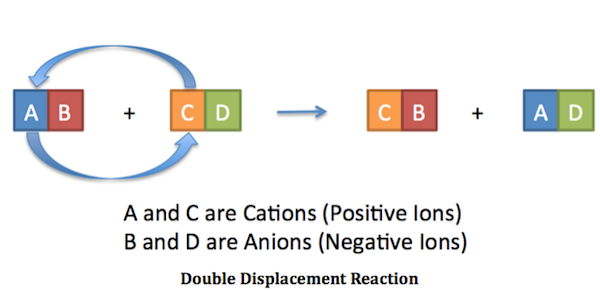
Another long and hard unit where nomenclature is crucial to the success on the tests and quizzes. Chemical reactions is the topic of this unit, where I have to learn if and how two different chemicals join together in a chemical reaction. Reactions only occur if their is a driving force present in the products of the chemical equation. We leaned that chemical reactions either: form a solid, form water, transfer electrons, or form a gas. First we went over double replacement reactions, which form a solid from two aqueous solutions, and is one of the four basic chemical reactions. More information on them here.

To be able to successful complete double replacement reactions, I need to know my nomenclature and solubility rules. Here is a quiz on the rules.

Sunday, November 22, 2015

Chemical Reactions Lab

This is our first lab of the chemical reactions unit and it was pretty cool. We mixed 10 drops of 9 different kinds of chemicals with each other and saw which ones reacted and which ones didn't. A little less than half changed colors, which means the two chemicals had a reaction with each other. All of the reactions where called precipitation reactions, when two soluble salts combined together to get one insoluble one. Below is a picture of one of the plates of mixed chemicals.